Film Practices BA Honours
2026 entry information
- Study mode and duration
- Full time: 3 years
- UCAS code
- P313
- UCAS institution name and code
- NEWC / N21
- Tuition fees (Year 1)
-
FT Home: £9,790
FT International: £24,500 Scholarships available - Typical entry requirements
-
A-Level: ABB
IB: 32 points
View alternative offers - Course delivery
- On Campus
- Work placement opportunity
Course overview
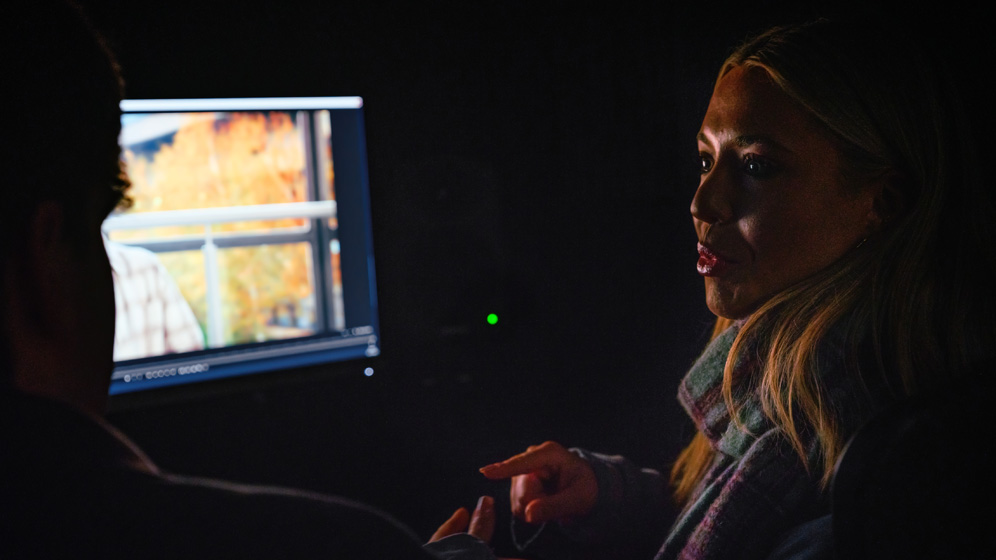
This degree allows you to develop an advanced level of knowledge and skills in film-making. You’ll gain a deep understanding of the relationship between documentary practice, film theory and the film industry.
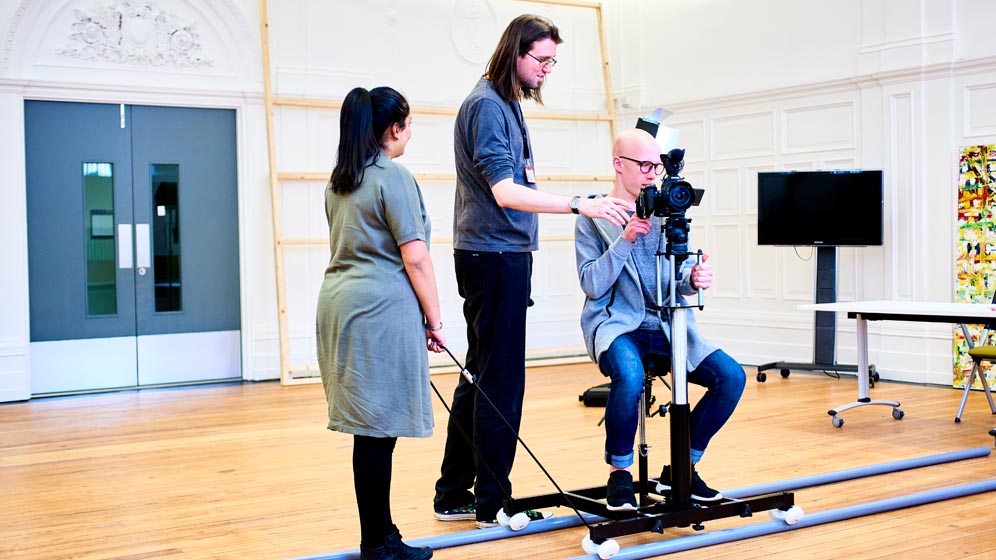
You’ll work on a range of individual and crew-based film projects, and develop sophisticated camera, sound, editing and storytelling skills.
Your studies are set in the context of world cinema and the international history of the cinematic documentary. You'll graduate with a portfolio of creative documentary and experimental non-fiction films.
You will learn from scholar film-makers in our state-of-the-art facilities and develop a range of professional skills to prepare you for your future.
Our film graduates have produced an array of documentary films. Many have been nominated and won some of the most prestigious documentary film awards in the UK.
These include the North East regional and national Royal Television Society Awards (RTS) and the Grierson Awards (The British Documentary Awards).
Quality and ranking
Professional accreditation and recognition
Professional accreditations are reviewed regularly by professional bodies to ensure they meet the latest industry practices and regulatory standards. This keeps your degree rigorous, relevant, and highly valued by employers, providing a clear pathway into your chosen career.
If you are studying an accredited degree and considering a career in Europe after graduation, it is important to stay informed about international standards. The best resource for current information is the UK Government's guidance on recognition of UK professional qualifications in EU member states.
This official resource provides essential details on:
- whether your profession is regulated in another country.
- the specific steps you need to take to practice abroad.
- which organisations you should contact to begin the process.
Our students
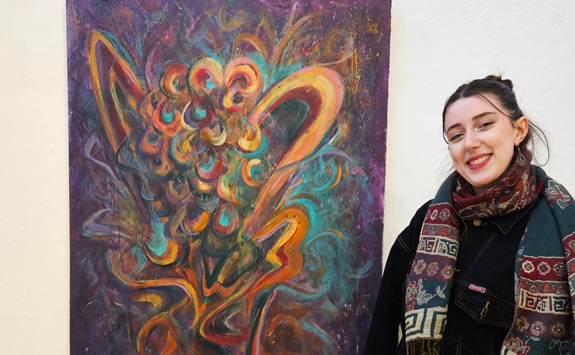
Naim from Malaysia
Fine Art BA
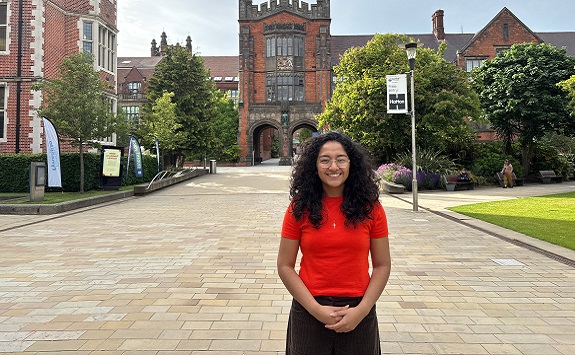
The city centre itself is full of energy, while areas like the Quayside offer a really striking riverside setting with iconic bridges and great views.
Christopher from United Kingdom
Journalism, Media and Culture BA
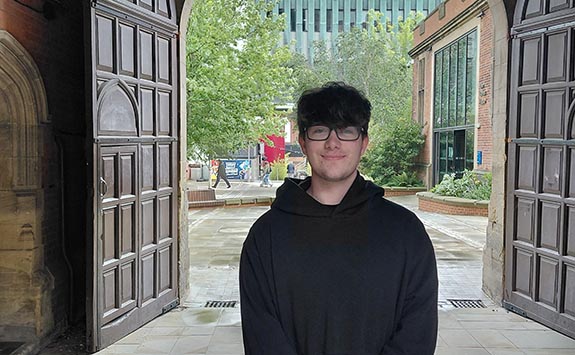
Newcastle University always stood out to me. It's beautiful with great architecture all around the campus.
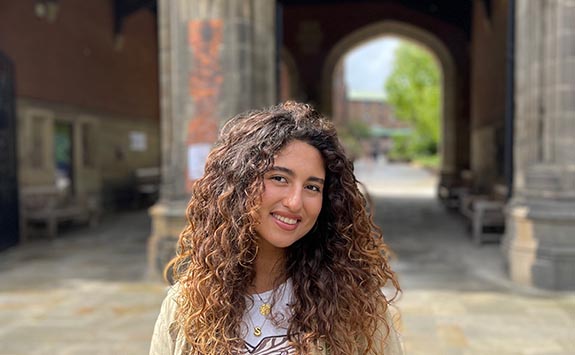
Samantha from Ecuador
Media, Communication and Cultural Studies BA
Newcastle University has helped me realise my future by granting me the opportunity of putting myself in activities I wouldn’t normally do.
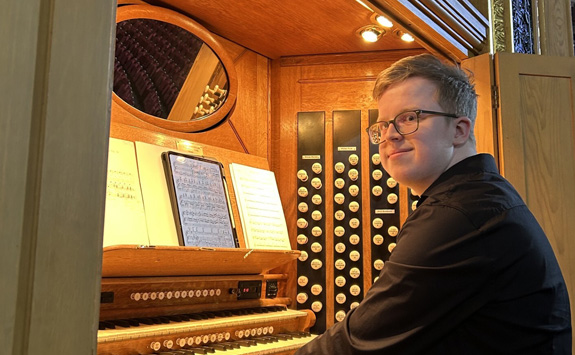
James from United Kingdom
Music BA
My degree combines all aspects of music including academic theory, performing and composing.
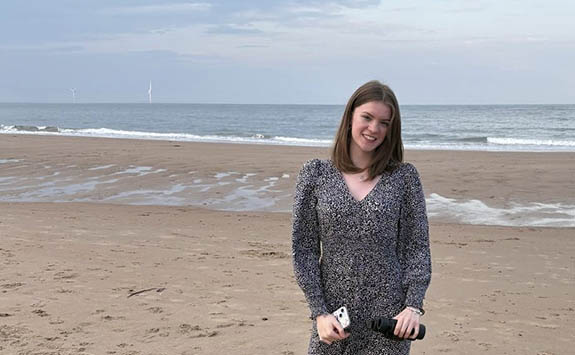
Eleanor from United Kingdom
Media, Communication and Cultural Studies BA
I've had the flexibility to not only write essays but create presentations in groups, make practical video and audio pieces too.

Jessica from United Kingdom
Contemporary and Popular Music BA
The degree has exposed me to so many different roles within the music industry and has allowed me to work out my passions through trial and error.
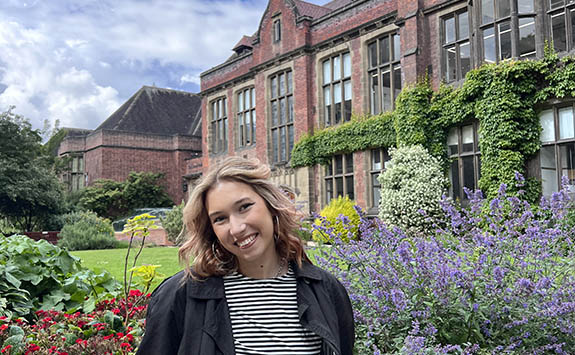
Isabel from United Kingdom
Film and Media BA
I really like the historical buildings around the campus and the strong sense of community atmosphere they create.

Amy from United Kingdom
Journalism, Media and Culture BA
I feel reassured that I have been taught by experts. I was also surprised at how advanced the facilities and equipment are.
Emilia from United Kingdom
Fine Art BA
By studying Fine Art, especially with the focus on Art History, you're opening up many experiences that can lead you on to different specialties.
Modules and learning
Modules
The information below is intended to provide an example of what you will study.
Most degrees are divided into stages. Each stage lasts for one academic year, and you'll complete modules totalling 120 credits by the end of each stage.
Full details of the modules on offer will be published through the Programme Regulations and Specifications ahead of each academic year. This usually happens in May.
Our teaching is informed by research. Course content may change periodically to reflect developments in the discipline, the requirements of external bodies and partners, and student feedback.
You'll learn the essential skills of film-making and be introduced to film-making as a field of academic study. You'll be taught camera, audio and editing skills and will undertake a range of documentary film-making exercises.
This is complemented by screening-based modules exploring world cinema, both fiction and non-fiction as well as an introduction to film theory for practice.
Screening modules develop your ability to critically watch films as a scholar and film-maker. You'll be given a solid foundation from which to develop your critical appreciation of film as well as your own film-making.
Modules
You'll build your film-making and storytelling skills by undertaking more complex and advanced projects including a series of independent creative microfilms. You'll also complete a crew-based experimental non-fiction film.
You'll continue exploring film theory for practice by learning about the works of filmmaker-theorists from around the world, giving you the chance to build on your learning from Year 1.
You'll also learn about the structures of the UK film industry from the point of view of an independent filmmaker, preparing you to start considering career options.
Modules
| Compulsory Modules | Credits |
|---|---|
| Film Theory for Practice 2: Filmmakers and Manifestos | 20 |
| Filmmaking: Ideas to Screen | 20 |
| Making a Short Documentary | 20 |
| Creative Documentary Practices | 20 |
You only take the following modules if you are studying abroad:
You make two films: a self-shot short observational documentary film and a crew-based documentary film (the equivalent of a written dissertation). You can also choose optional modules in media and cultural studies.
You can also explore other academic interests in the School of Arts and Cultures or from across the University.
Modules
| Compulsory Modules | Credits |
|---|---|
| Observational Filmmaking | 20 |
| Film Practice Project | 60 |
We base these figures and graphs on the most up-to-date information available to us. They are based on the modules chosen by our students in 2025-26.
Teaching time is made up of:
- scheduled learning and teaching activities. These are timetabled activities with a member of staff present.
- structured guided learning. These are activities developed by staff to support engagement with module learning. Students or groups of students undertake these activities without direct staff participation or supervision
Teaching and assessment
Teaching methods
Assessment methods
You'll be assessed through a combination of:
-

Assessments
-

Assignments – written or fieldwork
-

Coursework
-

Degree show
-
Dissertation or research project
-

Essays
-
Examinations – practical or online
-

Group work
-

Practical sessions
-

Presentations
-
Projects
-

Reflective report/journal
-

Seminar tasks/exercises
Skills and experience
Support
You'll have the support of an academic member of staff as an academic adviser throughout your degree to help with academic and personal issues.
You will also benefit from the expert knowledge and skills of our dedicated team of technicians.
Peer mentors will help you in your first year. They are fellow students who can help you settle in and answer any questions you have when starting university.
Opportunities
Study abroad
Experience life in another country by choosing to study abroad as part of your degree. You’ll be encouraged to embrace fun and challenging experiences, make connections with new communities and graduate as a globally aware professional, ready for your future.
You can choose the student exchange module in your second year. This will allow you to spend the first semester of second year on a student exchange.
Find out more about study abroad
Work placement
Apply your practical skills, increase your confidence and gain real-life work experience to accelerate your career. Take a 9-12-month industrial placement in the UK or abroad. Work placements usually take place in stage 3 of your studies and extend your degree by one year.
You may be interested in
Entry requirements
All candidates are considered on an individual basis and we accept a broad range of qualifications.
The entrance requirements and offers below apply to 2026 entry.
| A-Level | |
|---|---|
| International Baccalaureate | |
|---|---|
Other UK and the Republic of Ireland qualifications
Alternative offers at Newcastle
Through one of our contextual or alternative offer routes, you could receive an offer of up to three grades lower than the typical requirements.
Contextual offers
We use certain contextual data from your UCAS form, alongside your application, to consider challenges that you may have faced in your education and the potential effect this may have had on your qualifications. This means you may be eligible to receive a lower contextual offer.
PARTNERS offers
One of the largest and longest support entry routes to university of its kind for students from underrepresented backgrounds. We support applicants from application through to study.
Realising Opportunities offers
A unique programme delivered in collaboration with 10 leading, research-intensive universities in the UK. The programme is open to students in Year 12/first year of college.
Pathways to Newcastle offers
Pathways to Newcastle, our national skills entry route, is available for specific subject areas.
High Performance Athletes
We support promising athletes at the application stage, who compete in regional, national or international levels in their sport.
Qualifications from outside the UK
English Language requirements
International Pathway and English Language courses
International Pathway courses are specialist programmes designed for international students who want to study in the UK. We provide a range of study options for international students in partnership with INTO.
These courses are specifically designed for international students who want to study in the UK and progress onto one of our undergraduate degrees. Our International Study Centre, has a range of study options including:
- International Foundation
- International Year One
- English Language courses
Find out more about International Pathway courses
Admissions policy
This policy applies to all undergraduate and postgraduate admissions at Newcastle University. It is intended to provide information about our admissions policies and procedures to applicants and potential applicants, to their advisors and family members, and to staff of the University.
University Admissions Policy and related policies and procedures
Credit transfer and Recognition of Prior Learning
Recognition of Prior Learning (RPL) can allow you to convert existing relevant university-level knowledge, skills and experience into credits towards a qualification. Find out more about the RPL policy which may apply to this course.
Your future
Our graduates are equipped with the practical and transferable skills needed to pursue careers across the film, media and creative industries. For example, in production, post-production, creative, marketing, distribution and film exhibition sectors.
The first cohort of graduates completed their degree in 2019. Many have gained employment in areas of the film industry, including within major UK post-production studios and commercial video production.
Some have begun careers as independent film-makers or cinematographers, while others are continuing their education at postgraduate level.
Build your network
Build your knowledge and networks in the film industry by learning from our industry guests.
Our guests include established and emerging film directors and producers, cinematographers and editors, as well as impact producers from organisations such as:
- North East International Film Festival
- Tyneside Cinema
- Star and Show Cinema
- North East Screen
- Amber Collective
- BBC Academy
- Aesthetica Film Festival
- Berwick Film Festival
- Glasgow Short Film Festival
Careers support
Our Careers Service is one of the largest and best in the country, and we have strong links with employers. We provide an extensive range of opportunities to all students through our ncl+ initiative.
Facilities and environment
Facilities
As a student of Film Practice at Newcastle University, you will join a vibrant community in the School of Arts and Cultures' Media, Culture, Heritage department.
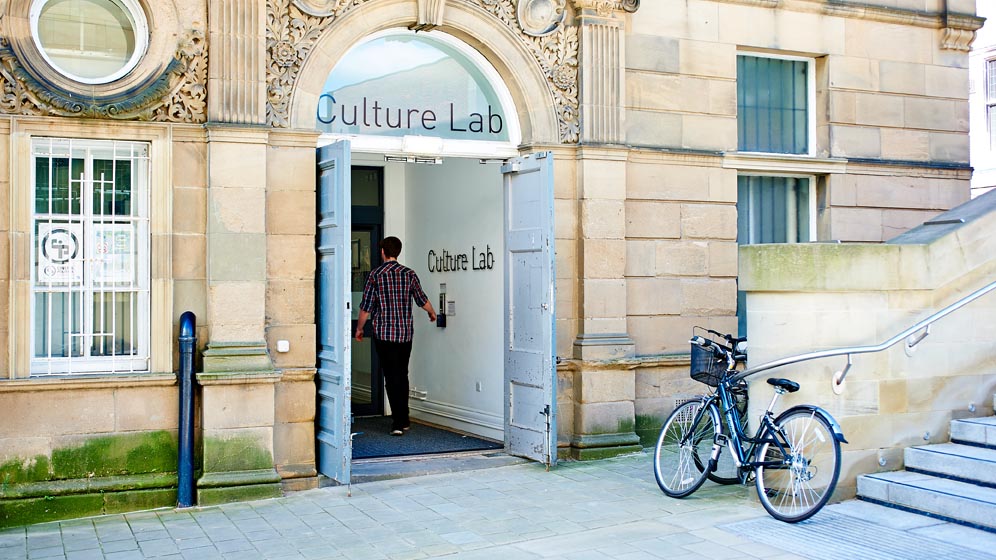
You will be based in the Armstrong Building and Film@CultureLab, right at the heart of our city-centre campus. You'll be close to all of Newcastle University's amenities, as well as being just a five-minute walk to Newcastle's main street, Northumberland Street.
You'll have access to:
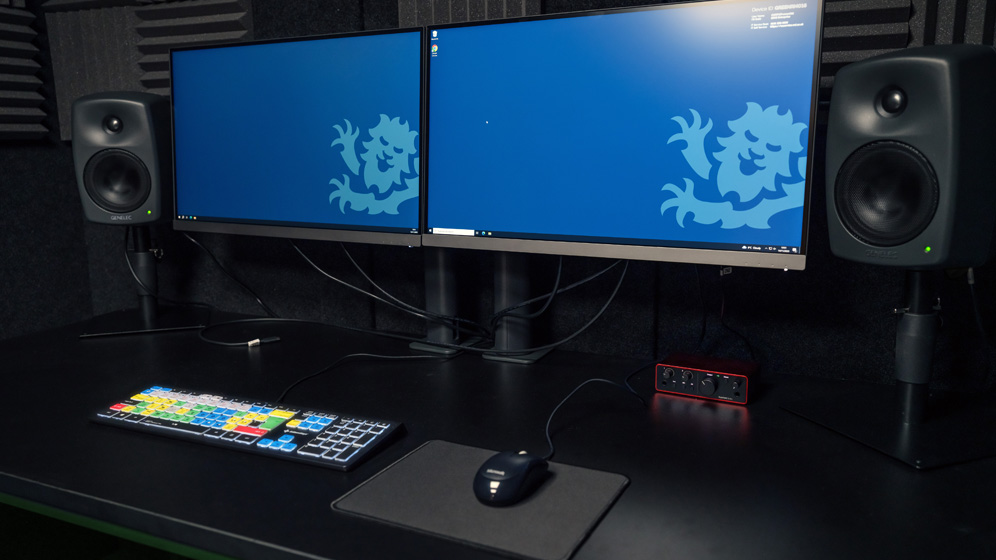
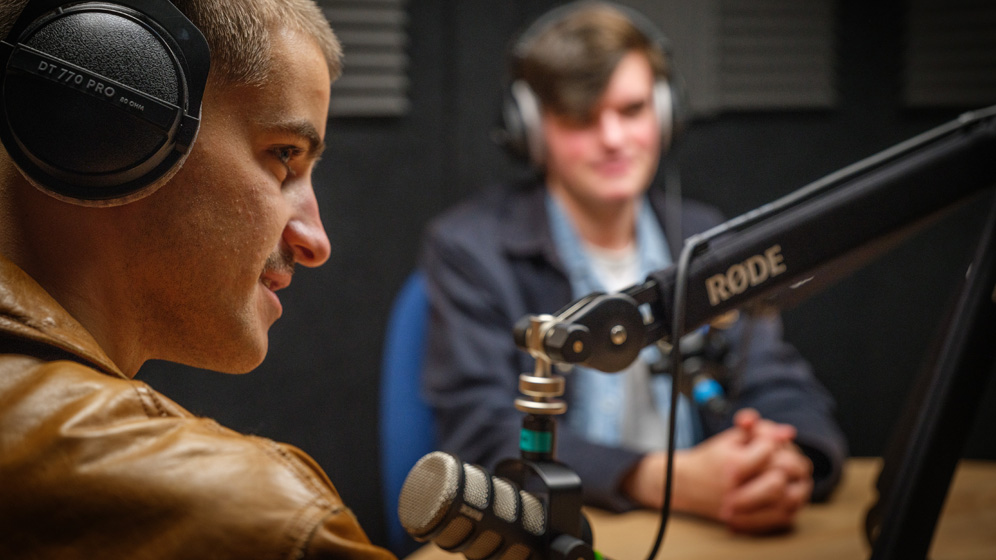
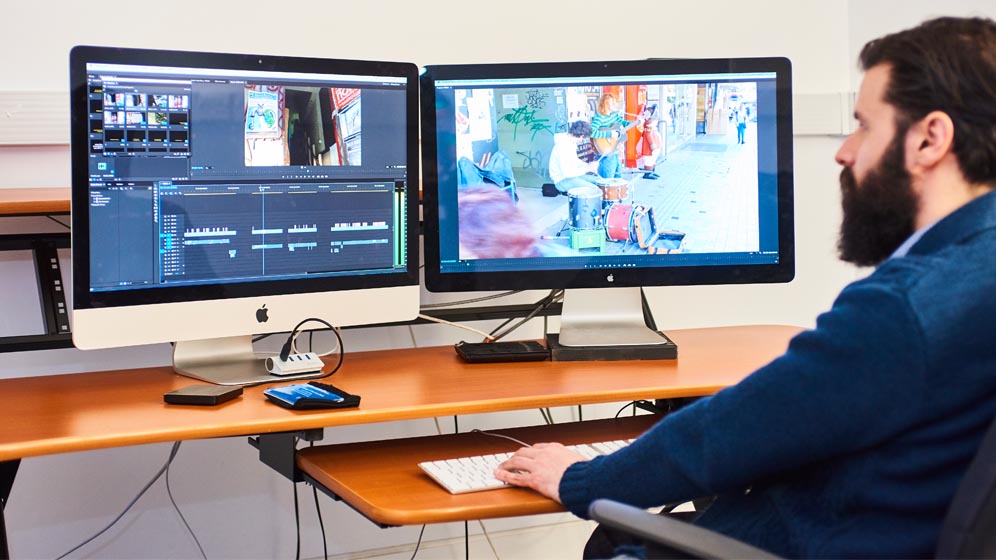
- professional-standard video and audio equipment, studio space and AV-editing facilities
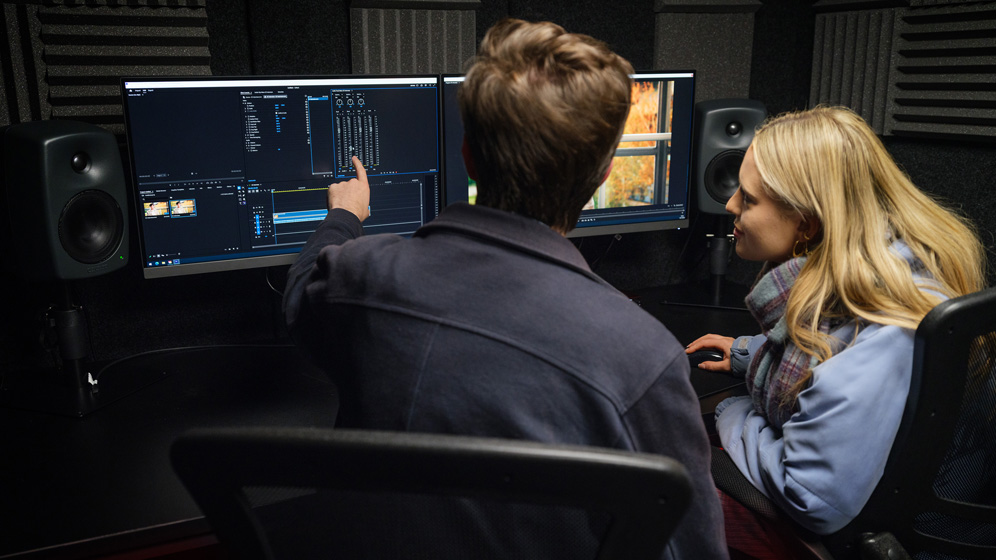
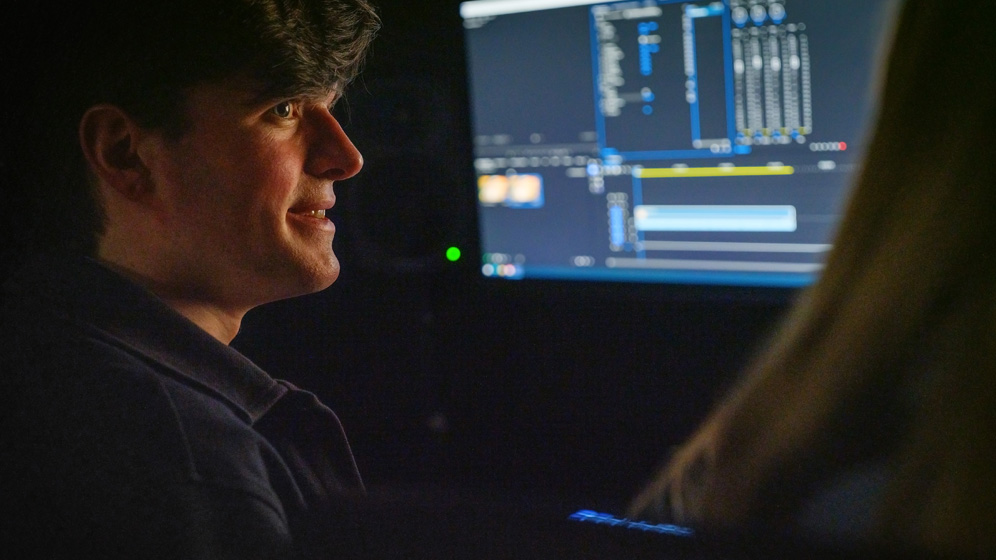
- specialist computing facilities, including industry-standard software, such as Adobe Creative Cloud
- a mobile studio suite
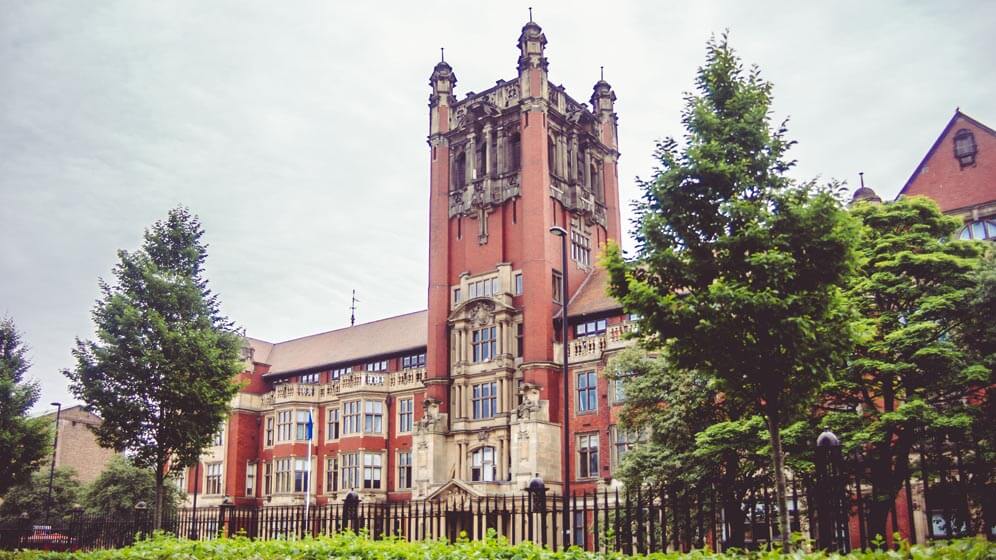
You'll be based in the School of History, Classics and Archaeology, located at the heart of campus in the historic Armstrong Building. You'll have access to excellent study resources including:
- the Philip Robinson University Library, which houses over 800,000 books and provides access to ca. 1.8m e-books
- Special Collections & Archives – a rich collection of archival material, historical medical texts and rare book
- The Great North Museum: Hancock. Our on-campus museum holds an extensive collection of Greek, Roman, and Etruscan artefacts, as well as the Library of the Society of Antiquaries of Newcastle.
Find out more about the School of History, Classics and Archaeology
You'll be based in the School of English Literature, Language and Linguistics. The School is located in the Percy Building, which is at the heart of our city-centre campus. You'll join a lively community of students, academics, writers, and professionals.
You'll have access to:
- a digital media lab – for students with documentary and film-making modules
- a PC cluster
- a student-led café
- plenty of spaces to work and socialise
You will have exceptional library provision from our award-winning Library Service. It houses over one million books and a huge range of electronic resources.
Our literature and creative writing teaching is linked to the Newcastle Centre for the Literary Arts (NCLA) programme. This will give you regular contact with leading creative artists. You'll also have access to a diverse programme of events, including spoken-word events and creative writing courses.
Find out more about the School of English Literature, Language and Linguistics.
You'll be based in the School of Geography, Politics and Sociology's Henry Daysh Building.
Newcastle University Business School is one of the largest Schools in the University. We have over 4,000 students from over 85 countries. This valuable community extends beyond our current students to include:
- regional, national and international leaders
- over 37,000 alumni in our network, spanning 152 countries
- leading professional and academics who are experts in their field
- businesses and partners in academe
The Business School is the gateway to Newcastle Helix - a landmark 24 acre hybrid city quarter. It brings together researchers, business and communities with the purpose of helping families, communities and cities around the world live healthier, longer, smarter, and easier lives.
We have two buildings – the Business School and the Frederick Douglass Centre (FDC). Both offer a range of purpose-build facilities, including.
- computer clusters housing over 120 PCs, plus open IT spaces for laptops
- seven large lecture theatres, plus a 750-seat auditorium – the largest in the University
- 25 seminar and teaching spaces, many with flexible furniture to accommodate learning
- a dedicated Student Hub and Quiet Space, providing a mix of space for group work, individual study, or quiet study
- study pods, some with wall mounted screens, and bookable rooms for working in groups or individually
- a contemporary café, refurbished in 2025
- two dedicated hubs for employability support and events
- a Bloomberg lab with over 20 terminals, so you can experience a real trading room floor
- Experimental and Behavioural Economics Lab, a state-of-the-art research facility for conducting studies in experimental economics and economic psychology
- a flexible conference room with panoramic views across the city and St. James’ Park, which doubles up as a large flexible teaching space
Accessibility
The Business School values individual differences and the diversity this brings. Our buildings are accessible and user friendly. We have a range of adjustments that can support you when moving around our buildings, such as lifts and accessible toilets. The FDC also offers gender-neutral toilets.
As a student of Media Communication and Cultural Studies at Newcastle University, you will join a vibrant community in the School of Arts and Cultures' Media, Culture, Heritage department.
You will be based in the Armstrong Building and Film@CultureLab, right at the heart of our city-centre campus. You'll be close to all of Newcastle University's amenities, as well as being just a five-minute walk to Newcastle's main street, Northumberland Street.
You'll have access to:
- professional-standard video and audio equipment, studio space and AV-editing facilities
- specialist computing facilities, including industry-standard software, such as Adobe Creative Cloud
- a mobile studio suite

As a Combined Honours student, you will be based at the Henry Daysh Building. Here and across campus you'll have access to a whole range of facilities
Newcastle University has achieved five QS Stars for facilities from QS Quacquarelli Symonds. You'll benefit from top facilities that not only support you and help you get the best out of your studies but give you an outstanding experience, such as:
- an award-winning library service
- excellent IT facilities
- a range of study support and wellbeing services to help you reach your full potential
- a wide range of sporting facilities
Find out more about our campus and facilities
You'll be based in the School of History, Classics and Archaeology, in the historic Armstrong Building at our city-centre campus.
You'll have access to a range of on-campus facilities, including:
- the Philip Robinson University Library, which houses over 800,000 books and provides access to ca. 1.8m e-books
- Special Collections & Archives – a rich collection of archival material, historical medical texts and rare books
- The Great North Museum: Hancock, our on-campus museum which holds an extensive collection of Greek, Roman, and Etruscan artefacts
Find out more about the School of History, Classics and Archaeology
You'll be part of the School of Architecture, Planning and Landscape and will also spend time in the School of Geography, Politics and Sociology.
You’ll be based in the Henry Daysh Building and have access to a dedicated planning studio with computing facilities and social space.
Our home in the capital is a sleek, purpose-built building on Middlesex Street, minutes from Liverpool Street Station. On-site facilities include flexible learning spaces which support:
- lectures
- practical sessions
- seminars
- tutorials
- supported private study
- e-learning
- postgraduate lounge
- learning resource centre
You will also have access to Newcastle University’s online learning resources. These include over half a million ebooks and electronic journals.
As a planning student at Newcastle you'll be part of the School of Architecture, Planning and Landscape.
Our School has world-renowned expertise in:
- urban planning
- architecture
- landscape architecture
- urban design
You’ll be based in the Henry Daysh Building, and have access to a dedicated planning studio with computing facilities and social space.
You'll be based in the School of English Literature, Language and Linguistics, which is at the heart of our city-centre campus, in the Percy Building. Next door you’ll have classes in the School of History, Classics and Archaeology, in the historic Armstrong Building. You'll join a lively community of students, academics, authors and professionals across both schools.
In the Percy Building you'll have access to:
- a digital media lab – for students with documentary and film-making modules
- a PC cluster
- a student-led cafe
- plenty of spaces to work and socialise
You'll have exceptional library provision from our award-winning Library Service. It houses over one million books and a huge range of electronic resources, as well as the Robinson Library Special Collections. The Great North Museum also provides access to the Antiquarian Library and a range of artefacts.
Our teaching is linked to the programme of the Newcastle Centre for the Literary Arts (NCLA), giving you regular contact with leading creative artists. You'll also have access to the diverse programme of events organised by NCLA throughout the year, including spoken-word events and creative writing courses.
Find out more about the School of English Literature, Language and Linguistics
You'll be based in the School of History, Classics and Archaeology, located at the heart of campus in the historic Armstrong Building. You'll have access to excellent study resources including:
- the Philip Robinson University Library, which houses over 800,000 books and provides access to ca. 1.8m e-books
- Special Collections & Archives – a rich collection of archival material, historical medical texts and rare books
- The Great North Museum: Hancock, our on-campus museum which holds an extensive collection of Greek, Roman, and Etruscan artefacts.
- a Material Culture Analytical Suite kitted out with microscopes, and 2D and 3D scanning equipment.
Find out more about the School of History, Classics and Archaeology
You will be based in the School of Geography, Politics and Sociology.
This is housed in the newly refurbished Henry Daysh Building, right at the heart of our city-centre campus, where you will attend lectures, take part in seminars, and have access to one of the University's largest PC clusters.
You will also be given free access to install and use SPSS – the professional-standard software for statistical analysis.
You'll be based in the School of English Literature, Language and Linguistics. The School is located in the Percy Building, which is at the heart of our city-centre campus. You'll join a lively community of students, academics, writers, and professionals.
You'll have access to:
- a library of 1.4 million books and 54,000 journals on 26km of shelving
- the Percy Building’s student common rooms, study areas and café
- Northern Stage, Great North Museum & the Hatton Gallery for events and exhibitions
- the Students' Union for shops, societies and gigs
- a digital media lab for developing documentaries and film-making
- the School of Modern Languages’ Language Resource Centre
You'll also have access to a diverse programme of events, including spoken-word events and creative writing courses.
Find out more about the School of English Literature, Language and Linguistics
You'll be based in the School of English Literature, Language and Linguistics, which is at the heart of our city-centre campus, in the Percy Building. You'll join a lively community of students, academics, authors and professionals across both schools.
You'll have access to:
- a digital media lab – for students with documentary and film-making modules
- a PC cluster
- a student-led cafe
- plenty of spaces to work and socialise
You'll have exceptional library provision from our award-winning Library Service. It houses over one million books and a huge range of electronic resources.
Find out more about the School of English Literature, Language and Linguistics
You'll be based in the School of Education, Communication and Language Sciences, which has a wide range of facilities for studying how people learn and communicate.
There's a well-equipped Education Resource Centre with excellent computing facilities.
We have an active Research Centre engaging with the latest thinking and research in education. The Centre for Learning and Teaching (CfLaT) researches teaching and learning in different contexts.
You'll be based in the School of Arts and Cultures, in the University's main campus.
Our department is based in the Armstrong Building, which overlooks the university's beautiful main quadrangle.
You'll have access to outstanding specialist music facilities, including state-of-the-art recording studios, rehearsal spaces, specialist tuition rooms, flexible study spaces, and the music skills suite.
The impressive King's Hall is used for orchestral and choral concerts, our professional lunchtime concert series, and student performance workshops.
Studios
Our professional recording and music production suites provide a space for:
- full band multi-track recording
- electro-acoustic composition multimedia work
- sound art installations
We have a range of portable recording equipment and tools designed for live electronics and technologically mediated live performance. These are accessible to all music students.
Rehearsal spaces
You'll have access to a range of rehearsal spaces, including:
- 25 acoustically treated practice rooms
- five instrumental teaching rooms
- a large, acoustically isolated, ensemble/band practice room
- two large performance/rehearsal spaces (each seats up to 50 people)
- the University's King's Hall (seats 400 people)
Read more about our Music facilities
Opportunities to perform
We offer a free professional concert series every Thursday lunchtime during term time, followed by a student performance where you have the chance to perform for, and listen to, your colleagues from all of our music degrees.
Newcastle University Symphony Orchestra rehearses weekly and usually gives 3 or 4 performances each year in the King's Hall and in the Great North Museum.
There is also a student-organised annual Summer Music Festival, showcasing our students' talents and giving you the chance to gain real-world experience of event management.
Our music students immerse themselves in Newcastle's thriving music scene which includes everything from high-profile venues like the O2 Academy and the City Hall, to more intimate local spots such as The Cluny, The Cumberland Arms and Bar Loco. It’s also home to the UK’s first co-operatively owned music venue, The Globe.
Watch some of our student performances
As a student of Media, Journalism and Film Practice at Newcastle University, you will join a vibrant community in the School of Arts and Cultures' Media, Culture, Heritage department.
You will be based in the Armstrong Building and Film@CultureLab, right at the heart of our city-centre campus. You'll be close to all of Newcastle University's amenities, as well as being just a five-minute walk to Newcastle's main street, Northumberland Street.
You'll have access to:
- professional-standard video and audio equipment, studio space and AV-editing facilities
- specialist computing facilities, including industry-standard software, such as Adobe Creative Cloud
- a mobile studio suite
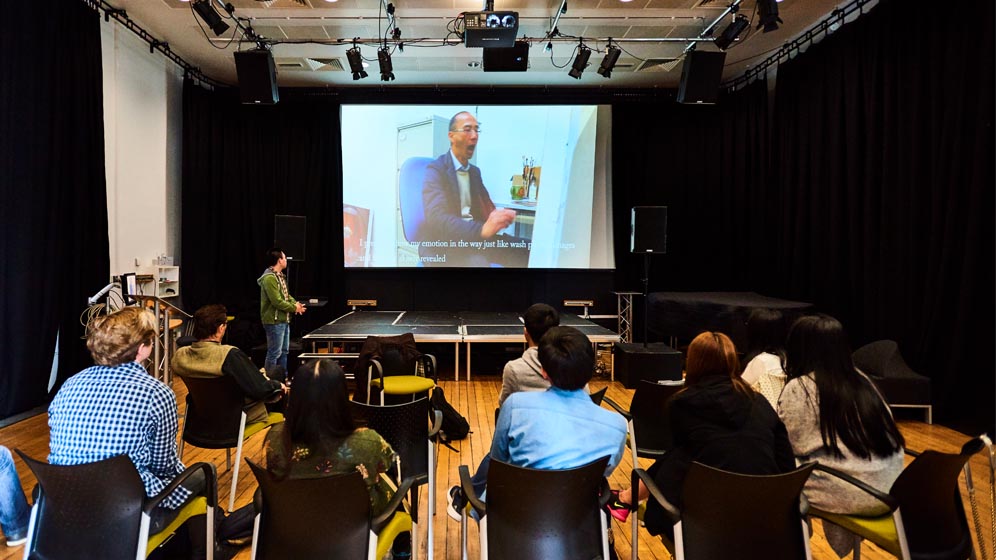
Situated on the eastern side of the city campus, the Law School offers you a great sense of community. It has everything you need as a law student:
- a 270 seater law lecture theatre
- computer cluster
- seminar rooms
The student common room is a great place to relax and catch up with fellow students. As our academic and support staff are all based in the same building, you'll find it easy to seek advice whenever you need it.
We also have a dedicated mooting room, which provides the perfect environment to develop your advocacy skills.
You'll be part of Philosophical Studies, and as a Newcastle University student, you'll have access to a whole range of facilities.
Newcastle University has achieved five QS Stars for facilities from QS Quacquarelli Symonds. You'll benefit from top facilities that not only support you and help you get the best out of your studies but give you an outstanding experience, such as:
- an award-winning library service
- excellent IT facilities
- a range of study support and wellbeing services to help you reach your full potential
- a wide range of sporting facilities
Find out more about our campus and facilities
As a speech and language sciences student, you'll be based in the School of Education, Communication and Language Sciences at our city-centre campus.
You will benefit from excellent facilities, including well-established in-house clinics. These are equipped with observational facilities and the latest recording technology to maximise your learning.
Our facilities include:
- The Children's Speech and Language Clinic, dedicated to working with children
- The Tavistock Aphasia Centre, dedicated to working with adults with acquired communication difficulties
You will also have access to:
- a language analysis lab for transcription and analysis of recorded samples of language
- our resource centre
As a Modern Languages student, you'll be based at our city centre campus. We've been teaching languages in Newcastle for more than 100 years.
You will have access to PC-equipped rooms and the award-winning Language Resource Centre, with self-study resources for over 100 languages.
You'll also have access to:
- specialist language learning software
- films
- live foreign-language TV channels
- online or on-campus tandem schemes
As an Architecture and Planning student, you will split your time between our dedicated Architecture building and the newly refurbished Henry Daysh Building.
You will have access to a fully equipped analogue workshop and casting space as well as state-of-the-art digital fabrication facilities, including:
- 3D printers
- a CNC router
- laser cutters
Design studios
Our design studios include CAD facilities and drawing boards and are dedicated to use by BA Architecture & Urban Planning students.
Other facilities
You will also benefit from:
- Archiprint facilities
- 5x A0 Printers
- 2 x A0 scanners
- A3 scanners available in studio rooms
- student-run coffee bar providing a social space for you to meet with staff and fellow students
You will collaborate with artists and engineers to test design ideas at 1:1 scale, and explore alternative forms of practice with community projects.
Find out more about our facilities.
As an architecture student at Newcastle, you'll join one of the largest and most dynamic Schools of its kind in Europe.
Develop professional skills in fantastic facilities with:
- design studios with CAD facilities and drawing boards
- our fully staffed model-making workshop equipped with a range of cutting-edge machinery including powerful laser cutters, CNC routers, Z Corp and MakerBot 3D printers
- an in-house self-service printing facility ‘Archiprint’ with 5 professional large-format colour printers and scanners specifically set up for your needs
You will be part of the School of Geography, Politics and Sociology and will split your time between the newly refurbished Henry Daysh Building and the Business School.
As a geography student at Newcastle, you'll be based in the School of Geography, Politics and Sociology.
You'll have access to modern laboratories and workshops, and a range of facilities and specialist equipment that are part of the entirely refurbished and newly resourced home of Geography at Newcastle, the Henry Daysh Building and Geoscience Laboratories.
Field equipment
Field equipment includes a range of technologies for:
- topographic survey
- soil and sediment sampling
- biological and chemical analysis
- hydrological analysis
Our laboratories
- biology laboratory
- chemistry laboratory
- geomorphology and sediment laboratories
Our archaeology degree courses are taught in the School of History, Classics and Archaeology at our city-centre campus.
You’ll have access to excellent study resources including:
- the Philip Robinson University Library, which houses over 800,000 books and provides access to ca. 1.8m e-books
- Special Collections & Archives – a rich collection of archival material, historical medical texts and rare books
- The Great North Museum: Hancock, our on-campus museum which holds an extensive collection of Greek, Roman, and Etruscan artefacts
- The Wolfson Archaeology Laboratory - with facilities for use-wear analysis of bone, stone, metal and glass, and furnaces for research in material culture or experimental archaeology.
- a Material Culture Analytical Suite kitted out with microscopes, 2D and 3D scanning equipment
Find out more about the School of History, Classics and Archaeology
You'll be based between:
- The School of History, Classics and Archaeology in the historic Armstrong Building and
- The School of Geography, Politics and Sociology, in the Henry Daysh Building
Both buildings are on our city-centre campus. Here, you'll have access to a range of facilities, including:
- the Philip Robinson University Library, which houses over 800,000 books and provides access to ca. 1.8m e-books
- Special Collections & Archives – a rich collection of archival material, historical medical texts and rare books
- The Great North Museum: Hancock, our on-campus museum which holds an extensive collection of Greek, Roman, and Etruscan artefacts
As a student of Film Practice at Newcastle University, you will join a vibrant community in the School of Arts and Cultures' Media, Culture, Heritage department.
You will be based in the Armstrong Building and Film@CultureLab, right at the heart of our city-centre campus. You'll be close to all of Newcastle University's amenities, as well as being just a five-minute walk to Newcastle's main street, Northumberland Street.
You'll have access to:
- professional-standard video and audio equipment, studio space and AV-editing facilities
- specialist computing facilities, including industry-standard software, such as Adobe Creative Cloud
- a mobile studio suite
As a Fine Art student at Newcastle you'll be part of the School of Arts and Cultures and be based in the Fine Art Building in the University's historic Quadrangle, which includes the Hatton Gallery. Along with your own studio space, you'll have access to:
- purpose-built studios
- exhibition spaces
- printmaking, metalwork, woodwork, sculpture/casting and digital media workshops
- an art supplies shop
- a student-run cafe
Tuition fees and scholarships
Tuition fees for academic year 2026-2027
| Qualification: BA Honours | |
|---|---|
|
Home students full time 3 years |
Tuition fees (Year 1)
£9,790 |
|
International students full time 3 years |
Tuition fees (Year 1)
24,500 |
Year abroad and additional costs
For programmes where you can spend a year on a work placement or studying abroad, you will receive a significant fee reduction for that year.
Some of our degrees involve additional costs which are not covered by your tuition fees.
Scholarships
Find out more about:
How to apply
Apply through UCAS
To apply for undergraduate study at Newcastle University, you must use the online application system managed by the Universities and Colleges Admissions Service (UCAS). All UK schools and colleges, and a small number of EU and international establishments, are registered with UCAS. You will need:
- the UCAS name and institution codes for Newcastle University (NEWC/N21)
- the UCAS code for the course you want to apply for
- the UCAS 'buzzword' for your school or college
If you are applying independently, or are applying from a school or college which is not registered to manage applications, you will still use the Apply system. You will not need a buzzword.
Apply through UCASInternational students can apply through an agent
International students often apply to us through an agent. Have a look at our recommended agents and get in touch with them.
Open days and events
UK open days
You'll have a number of opportunities to meet us throughout the year at our on-campus and virtual open days.
You'll be able to:
- explore our beautiful campus
- find out about our vibrant city
- discover what students think about studying at Newcastle
You'll also have the opportunity to speak to academic staff and find out more about the subjects you're interested in.
Find out about how you can visit Newcastle in person and virtually.
Worldwide events
We regularly travel overseas to meet with students interested in studying at Newcastle University. Visit our events calendar to find out when we're visiting your region.
Online events
Get in touch
By phone
Call us on +44 (0) 191 208 3333 and press option 1. Our opening hours are Monday to Friday 10am until 4pm.
Online
Chat to our students
Choosing a university is a big decision. If you've got questions about a particular course, student life or the city of Newcastle, why not chat to our friendly students or graduates!
Keep updated
We regularly send email updates and extra information about the University.
Receive regular updates by email