Newcastle University spin-out Alcyomics acquired by SenzaGen
Second spin-out exit in 18 months demonstrates the growing maturity of Newcastle University’s investment-ready portfolio.
11 November 2026
Access to a broader international market
Newcastle University spin-out Alcyomics has been acquired by Swedish life sciences company SenzaGen, creating new opportunities to expand the use of advanced non-animal testing methods in global drug development.
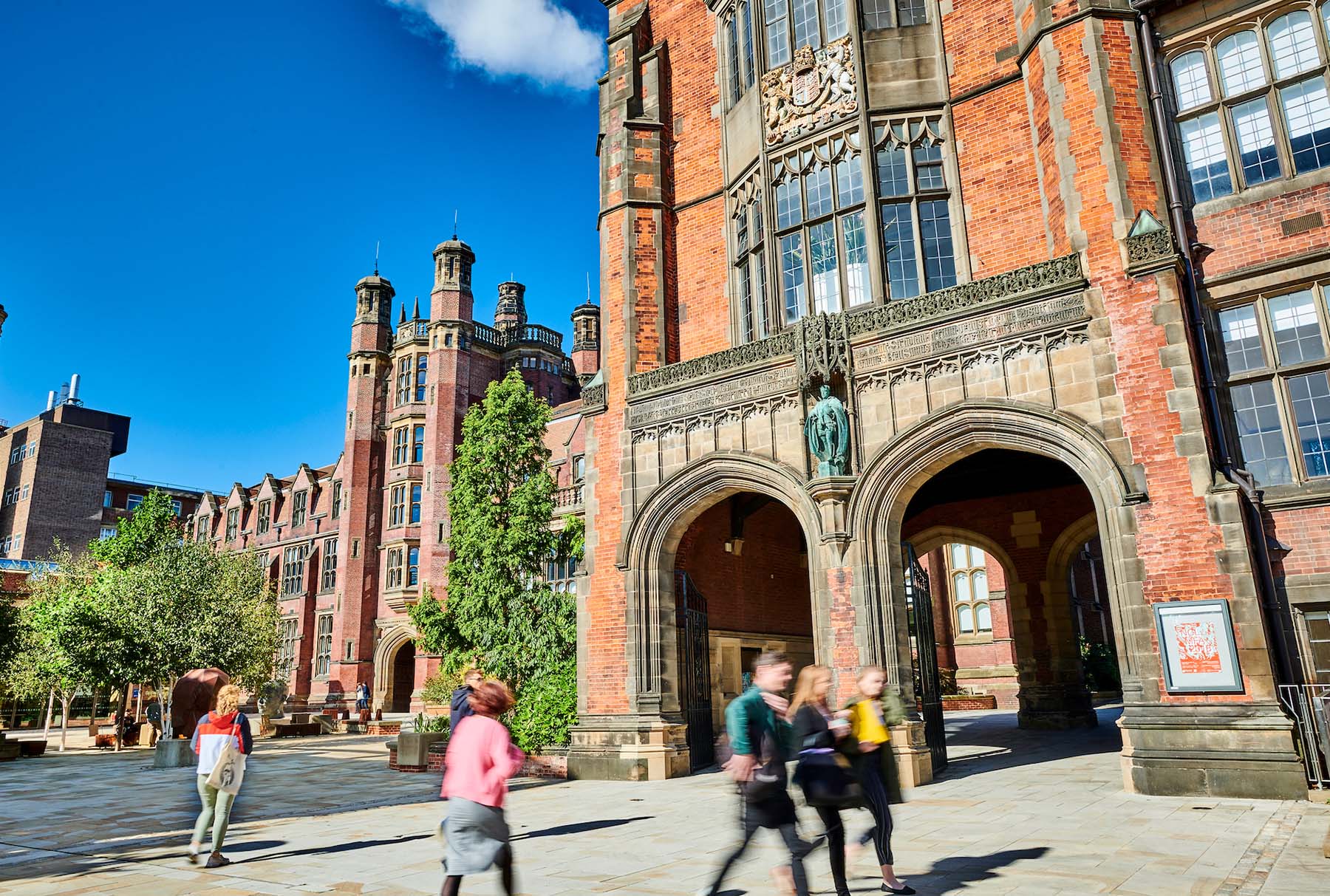
Based at the Newcastle Helix innovation district (pictured), Alcyomics specialises in preclinical immunotoxicology, helping pharmaceutical companies assess whether new medicines could cause potentially harmful immune reactions before they progress to clinical trials.
The company’s human-based testing platforms are designed to produce information that is more relevant to human biology than conventional animal models. Its customers include multinational pharmaceutical companies in Europe, the United States and Japan.
The acquisition by SenzaGen, a specialist in non-animal chemical safety testing, will give Alcyomics access to a broader international market and additional opportunities to develop and commercialise its technology.
Founded in 2009, Alcyomics grew out of more than 30 years of research into haematopoietic stem cell transplantation.
The company achieved revenue of approximately £1.5 million during its 2025/26 financial year, representing growth of 46% compared with the previous year.

Anne Dickinson, co-founder and Chief Executive Officer of Alcyomics, said:
‘Our ambition has always been to offer unique testing methods that enable pharmaceutical companies to commercialise new treatments cost-effectively, using a reliable and ethical alternative to animal testing.
‘In SenzaGen, we have found a partner that shares this ambition and can give our team and technology the conditions to grow further in a broader international context.’
Human-relevant testing
At the heart of Alcyomics’ work is its proprietary Skimune® platform, which combines human skin tissue with immune cells to identify adverse immune responses during the preclinical development of new medicines.
The platform can be used to evaluate complex biological drugs, including monoclonal antibodies, T-cell engagers and bispecific therapies. By identifying safety risks earlier, the technology can help pharmaceutical companies make better-informed development decisions, reduce the risk of costly failures at later stages and reduce reliance on animal testing.
Peter Nählstedt, President and Chief Executive Officer of SenzaGen, said:
‘Through the acquisition of Alcyomics, we are entering a new, exciting and expanding segment of drug development, where the shift towards non-animal methods is accelerating.
‘Like SenzaGen, Alcyomics is built on deep expertise in immunology, which creates significant opportunities in sales, business development and research and development.’
The companies expect the combination to broaden the services they can offer pharmaceutical customers, covering activities from early preclinical research through to regulatory safety assessment.
Alongside an established presence in the UK, Alcyomics gives SenzaGen specialist expertise in non-animal immunotoxicological testing, including for biological drugs, an area in which the US Food and Drug Administration has recently taken its first concrete steps towards greater use of non-animal methods.
Investment-ready portfolio
The acquisition of Alcyomics is the latest demonstration of the growing maturity of Newcastle University’s spin-out portfolio.
Following the 2025 acquisition of FibroFind, the Alcyomics deal is the University’s second spin-out exit in 18 months.
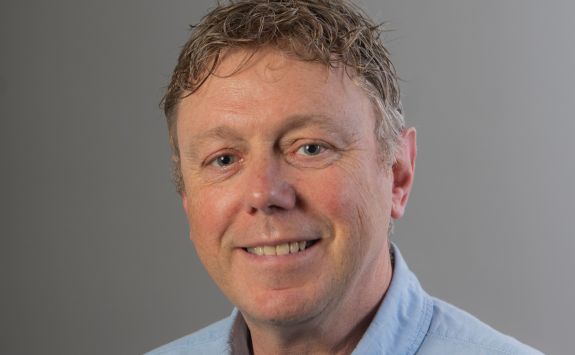
Rick McCordall (pictured), Head of Venture Creation at Newcastle University, said:
‘This acquisition is an important milestone for Alcyomics and will provide a strong platform for its next stage of international growth.
‘It also demonstrates the wider value of our spin-outs in bringing innovation to market, attracting investment and creating high-quality opportunities in the North East of England, with the potential to deliver impact around the world.’