Future of Transnational Education
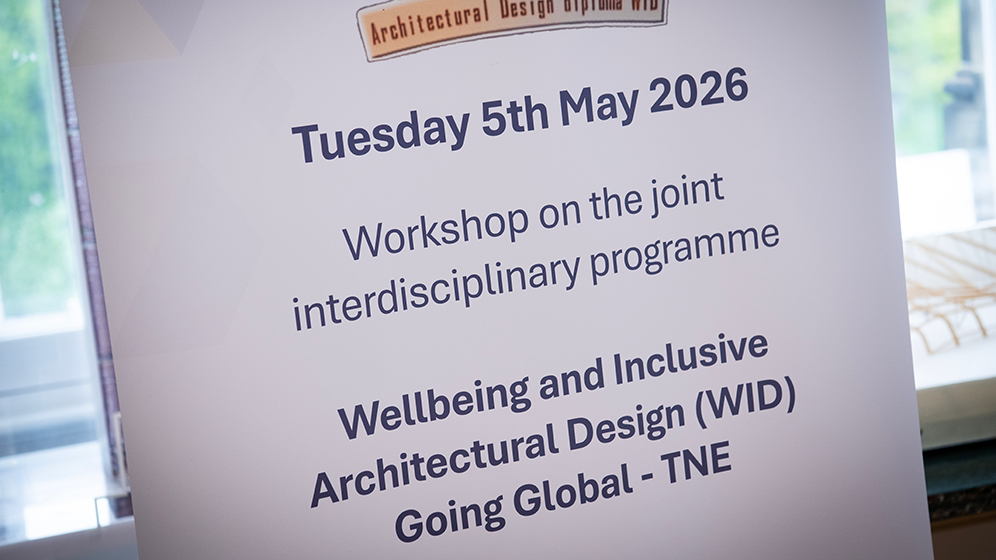
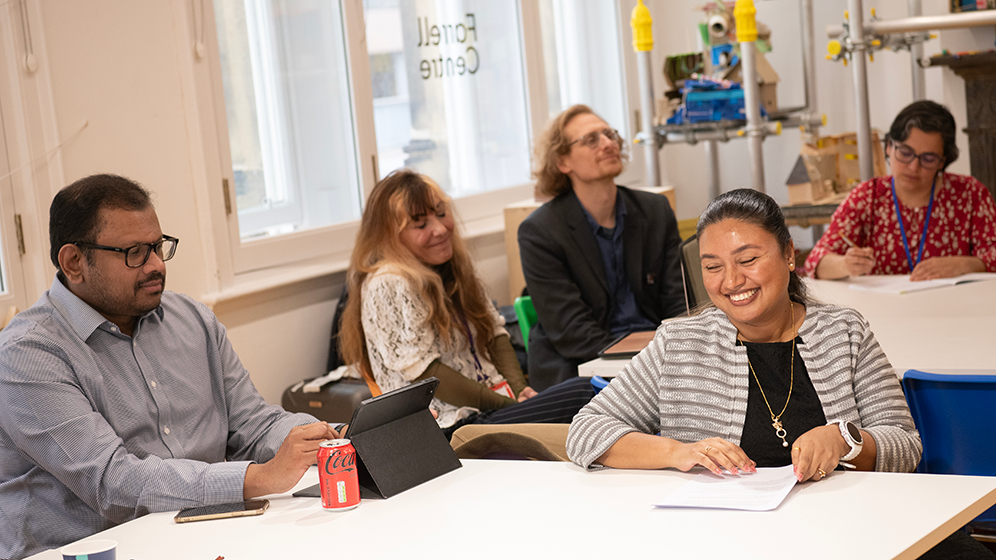
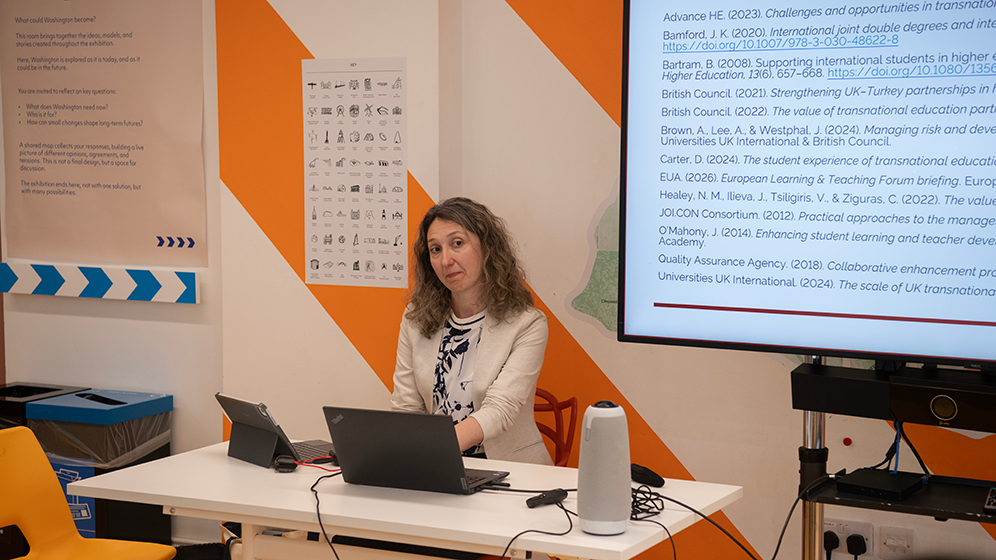
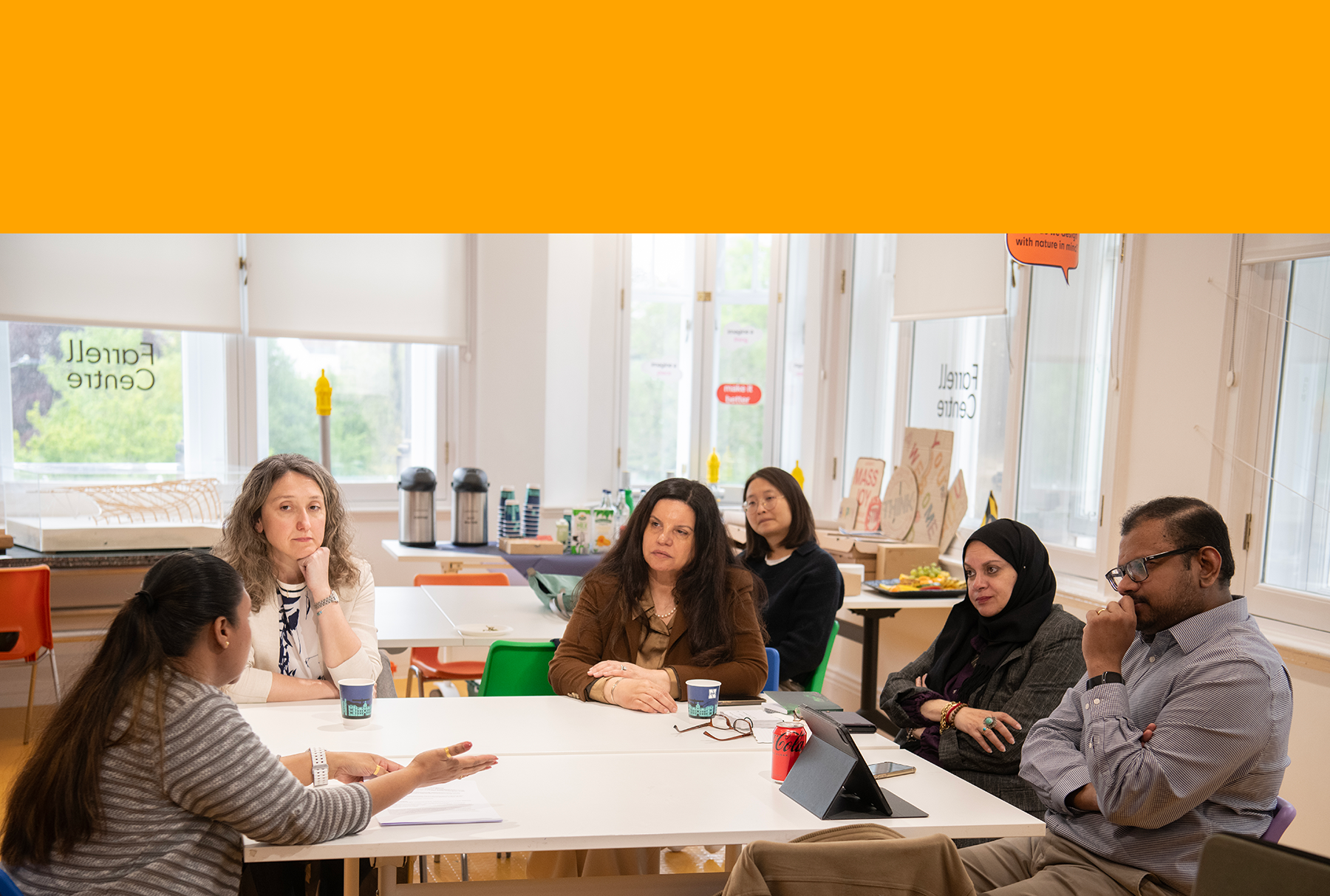
This workshop, held on Tuesday 5 May, brought education leaders together to discuss partnership models, pedagogy and regulatory contexts in delivering collaborative programmes from multiple institutions.
19 May 2026
Professor Neveen Hamza and Professor Shahira Sharaf El Din are the lead co-ordinators of the Wellbeing and Inclusive Design diploma, created by Newcastle University and Tanta University. This joint Diploma, funded by the British Council, aims to promote architectural design that considers people with different physical, mental and sensory needs.
The partnership was launched in 2025 and this workshop invited scholars from Newcastle University, Tanta University and Northumbria University to look at case studies, discuss challenges and define best practice in forming how to deliver transnational education.
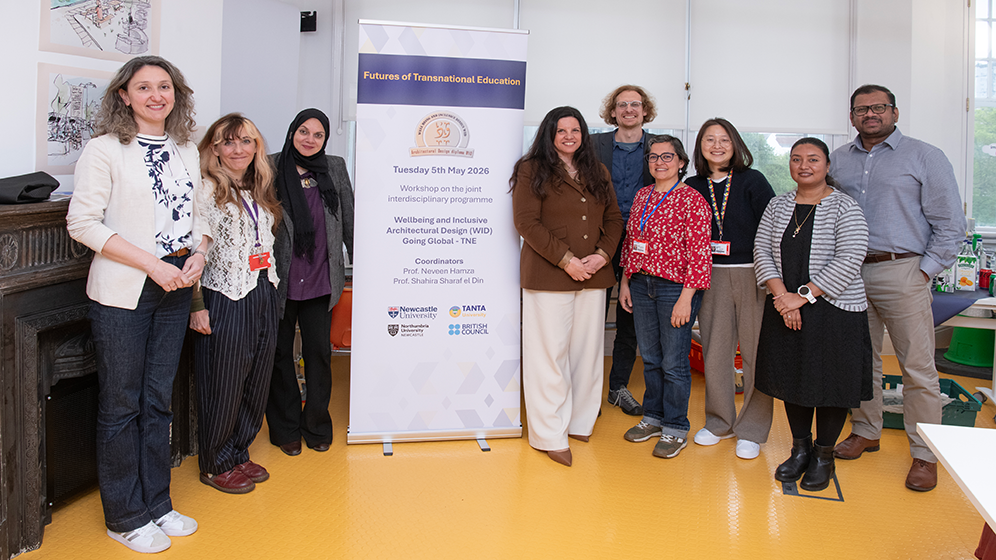
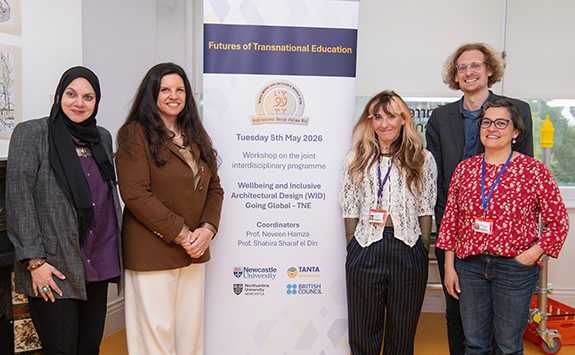
Left to right: Professor Shahira Sharaf, Professor Neveen Hamza, Stella-Maria Paddick, Sam Austin, Dr Laura Pinzon Cardona
Presentations
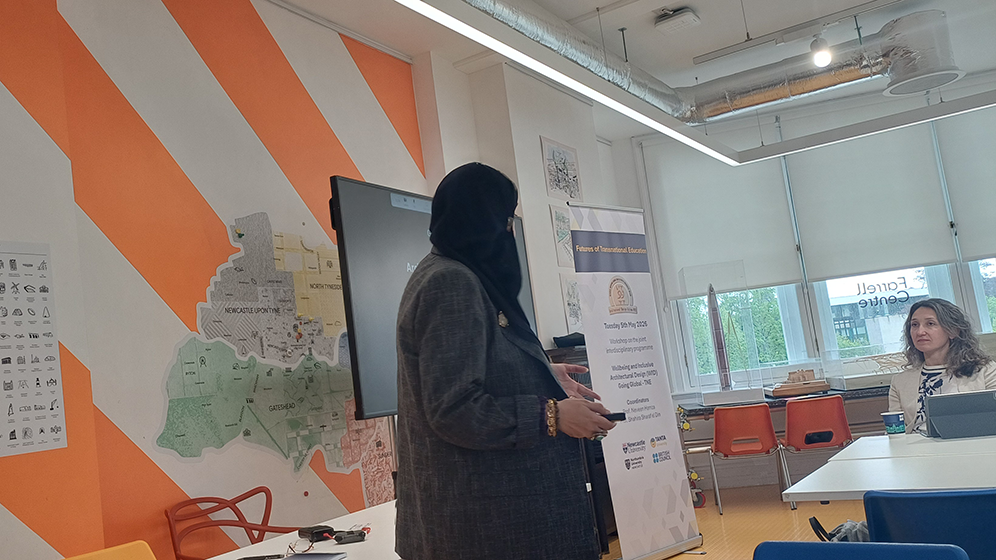
Professor Neveen Hamza and Professor Shahira Sharaf
WID: Wellbeing in Design Pedagogy of the Built Environment
Proposing a transnational professional diploma reimagining architecture and planning education through shared, context-specific and socially-responsive values. It integrates interdisciplinary and research-driven practice to address ageing, wellbeing and climate challenges.
Dr Madhavi P. Patil
TRANSABE-EDU: Transcending Frontiers in TNE for Architecture and Built Environment
Examining challenges reshaping built environment education and a co-created transdisciplinary partnership model. It explores pressures from urbanisation, sustainability, cultural preservation and technological disruption, revealing the limits of single institutions’ educational frameworks.
Dr Muge Satar
Building Capacity for Transnational Collaboration: Staff Development for Joint Programme Design
Examining a Turkey–UK joint MA TESOL programme as a case study. It highlights staff development as a driver of capacity building, regulatory literacy and intercultural partnership, analysing successes, challenges and transferability while positioning collaborative programmes as professional learning communities.